5 Leadership Lessons From The FIFA World Cup 2026
This article originally appeared on Forbes.com.
As we enter the FIFA World Cup 2026 Quarter-finals, it’s clear that the World Cup has delivered on all the hype: shocking exits, euphoric wins and a field so competitive that longtime global powers went home early.
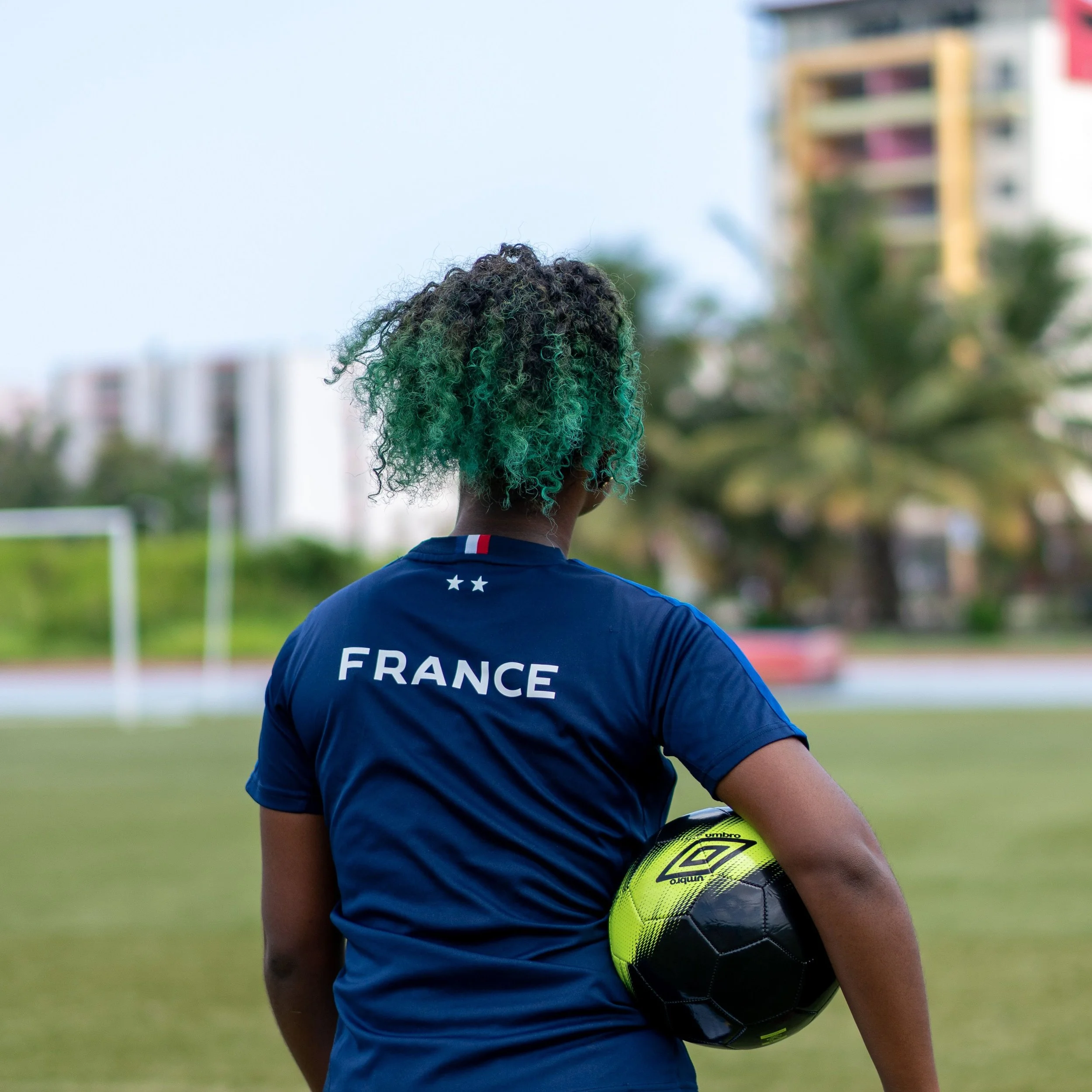
The group stage alone eliminated Germany and the Netherlands, while smaller, underdog countries advanced on the back of preparation and teamwork rather than resources and star power. Underneath the highlights are a set of leadership lessons that apply well beyond the field, especially for anyone building or defending their leadership track record right now.
The Higher You Climb, The Stronger The Competition Gets
France and Argentina had the best odds after the group stage, but the gap between them and Spain, England, Portugal and Brazil was narrow. Germany and the Netherlands, both former champions, were already gone.
This kind of landscape mirrors what happens inside most organizations, industries and job markets. The org chart only gets narrower near the top, and the field competing for what remains (whether an internal promotion or an external leadership search) gets more competitive the more you advance upward in your career. Having an elite set of skills is table stakes and ambitious leaders coast at their own risk. Stay vigilant when it comes to keeping your personal brand visible, your network simmering and your leadership skills polished.
Recognize A Glass Cliff Before You Accept It
Tunisia fired manager Sabri Lamouchi after a single match, the first time that has happened in World Cup history. His successor, Hervé Renard, inherited a roster many considered already beyond hope.
This transition is an important reminder (especially for women and people of color) of a phenomenon that can occur at the top-most level of leadership: The Glass Cliff. According to research by Michelle Ryan and Alexander Haslam at the University of Exeter, published in the British Journal of Management in 2005, women are frequently promoted or hired into precarious positions already headed toward failure, then blamed for the outcome. Before accepting a leadership role under such circumstances, do your due diligence to find out what you’d be stepping into and tread carefully.

Build A Deeper Bench Of Leaders Before You Need Them
Teams that go far in a tournament like this rarely do it with just their strongest starting eleven. They do it with a deep bench of elite players and the coaching staff and resources to back it up.
According to Harvard Business Review’s analysis in “The High Cost of Poor Succession Planning,” poorly managed CEO and C-suite transitions cost close to $1 trillion a yearin lost value among S&P 1500 companies alone. Bench strength, like a succession plan, cannot be built in the moment of need. It must already be in place before that moment arrives.
Handle Winning And Losing With The Same Composure
Some of the World Cup’s most memorable moments had nothing to do with the number of goals one team scored against another. Qatar’s Assim Madibo visited Canada’s Ismael Kone in the hospital after a tackle broke Kone’s leg. A Japanese fan in tears after Japan’s elimination was comforted by Brazilian fans. And it is not unusual, mid-match, to see a player from one team help an opponent experiencing a leg cramp on the field. None of that may be reflected in a final score, but all of it shapes reputation.
For ambitious leaders, it’s critical to remember that composure (whether after a career win, setback or challenge) tends to outlast whatever triggered it.
Let Being Underestimated Work In Your Favor
Cape Verde qualified for its first-ever World Cup in 2026 and became the smallest nation ever to reach the knockout stage, going unbeaten through a group that included Spain and Uruguay before losing to Argentina in extra time.
Let this be a reminder to anyone who’s ever been underestimated, ignored or counted out: the absence of expectation can bring its own kind of freedom and advantage. Being the first in a room is not evidence that you don’t belong there. It can, in fact, mean that the power and influence you wield is even greater than the known players you’re surrounded by.
What The 2026 FIFA World Cup Actually Teaches Leaders
Taken together, these five moments describe a version of leadership rarely captured in graduate school case studies: composure under pressure, tested in real time, in front of a global audience with the highest expectations.
Preparing before a crisis, facing down a challenge with clarity of mind and exhibiting grace regardless of the outcome all apply to career and leadership, not just to this tournament that has captivated the world. Remember this the next time the stakes feel too high or a room feels too crowded to compete in.